Source Trace Elements Feed Additive for Poultry Livestock and Growth
Find 30 verified trace elements feed additive options including organic chelates and amino acid forms. Buyers can compare specifications, certifications, and packaging for poultry and livestock applications.
Key considerations
Products List




Comprehensive Sourcing Guide
Trace Elements Feed Additive Sourcing Guide
Sourcing trace elements for animal feed requires a disciplined approach that balances biological efficacy with supply chain reliability. Trace elements such as chromium, magnesium, and zinc are essential micronutrients that support metabolic functions, immune response, and growth performance in poultry and livestock. Unlike bulk macronutrients, these additives are required in minute quantities but have a disproportionate impact on overall herd health and feed conversion ratios. Buyers must navigate a market characterized by diverse chemical forms, ranging from inorganic salts to organic chelates, each offering distinct bioavailability profiles and stability characteristics. The decision to source these materials involves evaluating not just the elemental content, but the chemical structure that determines how the animal absorbs and utilizes the nutrient.
The procurement landscape for trace elements is fragmented, with suppliers offering everything from raw mineral powders to highly specialized amino acid chelates. This variety necessitates a clear understanding of the specific physiological needs of the target animal species. For instance, chromium picolinate and chromium propionate are often sought for their role in glucose metabolism, while magnesium chelates support enzymatic reactions and muscle function. Buyers must align their technical specifications with the biological requirements of their production systems, ensuring that the chosen additive form matches the intended application, whether it be for broilers, swine, or ruminants. Misalignment between the chemical form and the animal’s digestive physiology can lead to poor absorption rates and wasted expenditure.
Product Scope and Observed Listing Signals
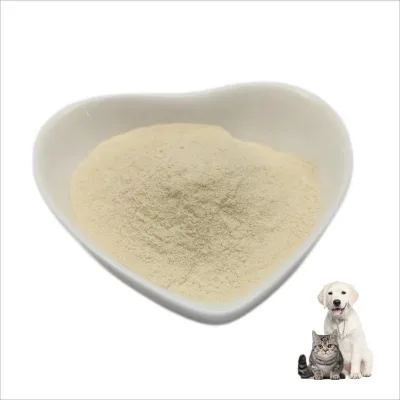
The current market for trace element feed additives presents a wide spectrum of product types, primarily categorized by their chemical composition and physical form. Listings frequently highlight organic trace elements and amino acid chelates, which are marketed for their superior stability and bioavailability compared to traditional inorganic sources. Common products include chromium picolinate and chromium propionate, often identified by specific model numbers such as Type-1013 or Type-1523234. These organic forms are typically presented as powders, with color variations ranging from blue to red, indicating different chemical states or purity levels. Buyers should recognize that these visual attributes are observational markers rather than universal standards, and they must be correlated with chemical analysis reports to confirm identity and potency.
In addition to specialized chelates, the market also includes broader feed additives such as feed beer lees and general amino acid additives. These products often serve dual purposes, acting as both nutritional supplements and functional fillers. Specifications for these items may include high fat content, low moisture, and specific ash limits, reflecting their role in enhancing feed palatability and energy density. The presence of certifications such as ISO, RoHS, QS, and CCC suggests that suppliers are adhering to certain quality management and safety standards, although the specific applicability of these certifications to feed-grade products must be verified. Buyers should treat these listed certifications as initial signals of supplier maturity, requiring further validation through direct inquiry into the scope of each certificate.
Technical Specifications to Verify
Verifying the technical specifications of trace elements is critical to ensuring product efficacy and consistency. The core parameter to validate is the elemental content, with many high-purity chelates claiming more than 98% purity. Buyers must request detailed Certificates of Analysis (CoA) that specify the exact percentage of the active trace element, as well as the presence of any impurities or heavy metals. For chromium-based additives, the CAS number (e.g., 14639-25-9 for chromium picolinate) serves as a unique identifier, but buyers should confirm that the chemical structure matches the claimed form, as isomers or different salts can have vastly different biological activities. Relying solely on the product name or CAS number without verifying the specific chemical composition can lead to sourcing errors.
Physical properties and packaging standards are equally important for logistics and handling. Trace elements are typically supplied in powder form, packed in woven bags or buckets, with standard weights such as 20kg per barrel or 25kg per bag. However, customization is often available, allowing for bulk packaging options like 600kg or 800kg bags to suit large-scale mixing operations. Buyers should verify the shelf life, which is commonly listed as two years, and ensure that the packaging material provides adequate protection against moisture and contamination. The origin of the product, whether from Sichuan, China, or Vietnam, can also influence supply chain dynamics and quality control practices, making it essential to understand the manufacturing environment and processing types, such as raw or dried states.
Compliance and Safety Documentation
Compliance with regulatory standards is non-negotiable in the feed additive industry, as these products directly impact animal health and, by extension, food safety. Buyers must ensure that all trace element additives meet the specific regulatory requirements of their target markets, which may include feed-grade certifications and safety assessments. While listings may mention certifications like ISO, RoHS, and CCC, it is crucial to determine whether these apply to the feed additive line or to other product categories offered by the supplier. RoHS, for instance, is primarily relevant to electronic components, and its presence on a feed additive listing may indicate a broader company certification rather than product-specific compliance. Buyers should prioritize certifications that are explicitly relevant to animal feed, such as those issued by national feed regulatory bodies.
Safety documentation should also include detailed information on handling, storage, and potential hazards. Trace elements, while essential, can be harmful in high concentrations, so proper labeling and safety data sheets (SDS) are mandatory. Buyers should verify that the supplier provides comprehensive SDS documents that outline first-aid measures, fire-fighting procedures, and accidental release measures. Additionally, the presence of quality management systems, indicated by ISO certification, suggests a structured approach to maintaining product consistency and safety. However, buyers should not assume that a general ISO certification covers all aspects of feed safety; specific audits and inspections may be necessary to confirm that the manufacturing process adheres to good manufacturing practices (GMP) for feed additives.
Cost Drivers and Commercial Terms
The cost of trace element feed additives is influenced by several factors, including the complexity of the chemical synthesis, the purity of the final product, and the scale of production. Organic chelates, such as chromium picolinate, generally command higher prices than inorganic salts due to the additional processing steps required to bind the trace element to an amino acid or organic acid. Buyers should expect price variations based on the specific model or type of the product, with specialized formulations often priced at a premium. The observed price range in the market can be significant, reflecting differences in quality, certification, and supplier reputation. Understanding these cost drivers helps buyers make informed decisions about balancing budget constraints with nutritional requirements.
Commercial terms, including minimum order quantities (MOQ) and payment conditions, play a crucial role in the procurement process. MOQs can range from small trial orders to large bulk purchases, with typical ranges observed between 1 and 1000 units. Buyers should negotiate terms that align with their inventory management strategies, considering factors such as storage capacity and production schedules. Customization options, such as specific packaging sizes or private labeling, may incur additional costs but can offer logistical advantages. It is also important to clarify the lead times and delivery terms, as delays in supply can disrupt production schedules. Clear communication regarding these commercial terms ensures a smooth transaction and minimizes the risk of unexpected costs or delays.
Supplier Qualification and Quality Control
Qualifying suppliers of trace element feed additives requires a thorough assessment of their manufacturing capabilities and quality control systems. Buyers should verify the supplier’s production facilities, including the cleanliness of the environment and the precision of their mixing and packaging processes. Suppliers that offer customization and have a history of producing specialized chelates are likely to have more robust quality control measures in place. It is advisable to request samples for independent testing before committing to large orders, allowing buyers to verify the product’s identity, purity, and bioavailability. This step is essential for confirming that the supplier can consistently deliver products that meet the specified technical requirements.
Ongoing quality control is equally important, as variations in raw materials or production conditions can affect product consistency. Buyers should establish clear quality agreements with their suppliers, specifying the acceptable ranges for key parameters such as elemental content, moisture, and ash. Regular audits and inspections of the supplier’s facilities can provide additional assurance of product quality and compliance. Suppliers that are transparent about their sourcing and manufacturing processes are generally more reliable partners. Building a strong relationship with a qualified supplier can lead to better pricing, priority service, and collaborative improvements in product performance, ultimately supporting the buyer’s long-term procurement goals.
Long-Term Procurement Checks
Long-term procurement of trace elements requires continuous monitoring of market trends, regulatory changes, and supplier performance. Buyers should stay informed about advancements in trace element technology, such as new chelation methods or improved bioavailability formulations, to ensure they are sourcing the most effective products. Regular reviews of supplier performance, including delivery reliability, product consistency, and responsiveness to issues, are essential for maintaining a stable supply chain. Buyers should also consider diversifying their supplier base to mitigate risks associated with single-source dependencies, especially for critical nutrients that are essential for animal health.
As regulations evolve, buyers must be prepared to adapt their sourcing strategies to comply with new requirements. This may involve updating product specifications, seeking new certifications, or exploring alternative suppliers that meet the latest standards. Engaging with industry associations and participating in trade events can provide valuable insights into best practices and emerging trends. By maintaining a proactive approach to procurement, buyers can ensure that their trace element supply remains secure, cost-effective, and compliant, supporting the overall efficiency and sustainability of their animal production operations.
FAQs
What trace elements feed additives are available for poultry and livestock?
Organic trace elements and amino acid chelates are available for poultry and livestock applications. Products include Chromium Propionate and Chromium Picolinate, which serve as specialized feed additives. These items are typically supplied in powder form with high purity levels exceeding 98 percent. They are designed to support animal health and growth through targeted nutritional supplementation in feed formulations.
Can I customize the packaging for trace elements feed additive orders?
Customization is available for packaging requirements. Standard options include 20kg barrels, 25kg bags, and woven bags. Bulk options may include 600kg or 800kg bags depending on the specific product type. Buyers can request specific packing configurations to suit their logistical needs, ensuring safe transport and storage of the powder additives.
Which certifications apply to these trace elements feed additives?
Certifications vary by product type. Some items hold ISO certification, while others include RoHS, QS, CCC, and CE marks. These certifications ensure compliance with various quality and safety standards. Buyers should verify the specific certification list for the chosen product model, as different trace elements may carry different regulatory approvals.
What is the shelf life of Chromium Picolinate feed additives?
The shelf life is typically two years when stored correctly. This duration applies to products like Chromium Propionate and similar organic trace elements. Maintaining proper storage conditions ensures the stability and efficacy of the powder form. Buyers should check the specific product details for exact storage recommendations to maximize the usable period.
Where are these trace elements feed additives manufactured?
Manufacturing locations include Sichuan, China, and Vietnam. Products like Chromium Picolinate originate from Sichuan, while other feed additives may be sourced from Vietnam. The origin affects logistics and lead times. Buyers should specify the desired origin when requesting quotes to ensure alignment with their supply chain preferences and regulatory requirements.
What is the minimum order quantity for these additives?
The minimum order quantity ranges from 1 to 1000 units depending on the supplier and product. Standard packaging sizes like 20kg or 25kg bags influence the MOQ. Buyers can often negotiate MOQs based on their volume requirements. It is advisable to confirm the specific MOQ with the supplier before placing an order to avoid delays.